Denia, Spain, A Magnificent Coastal Town
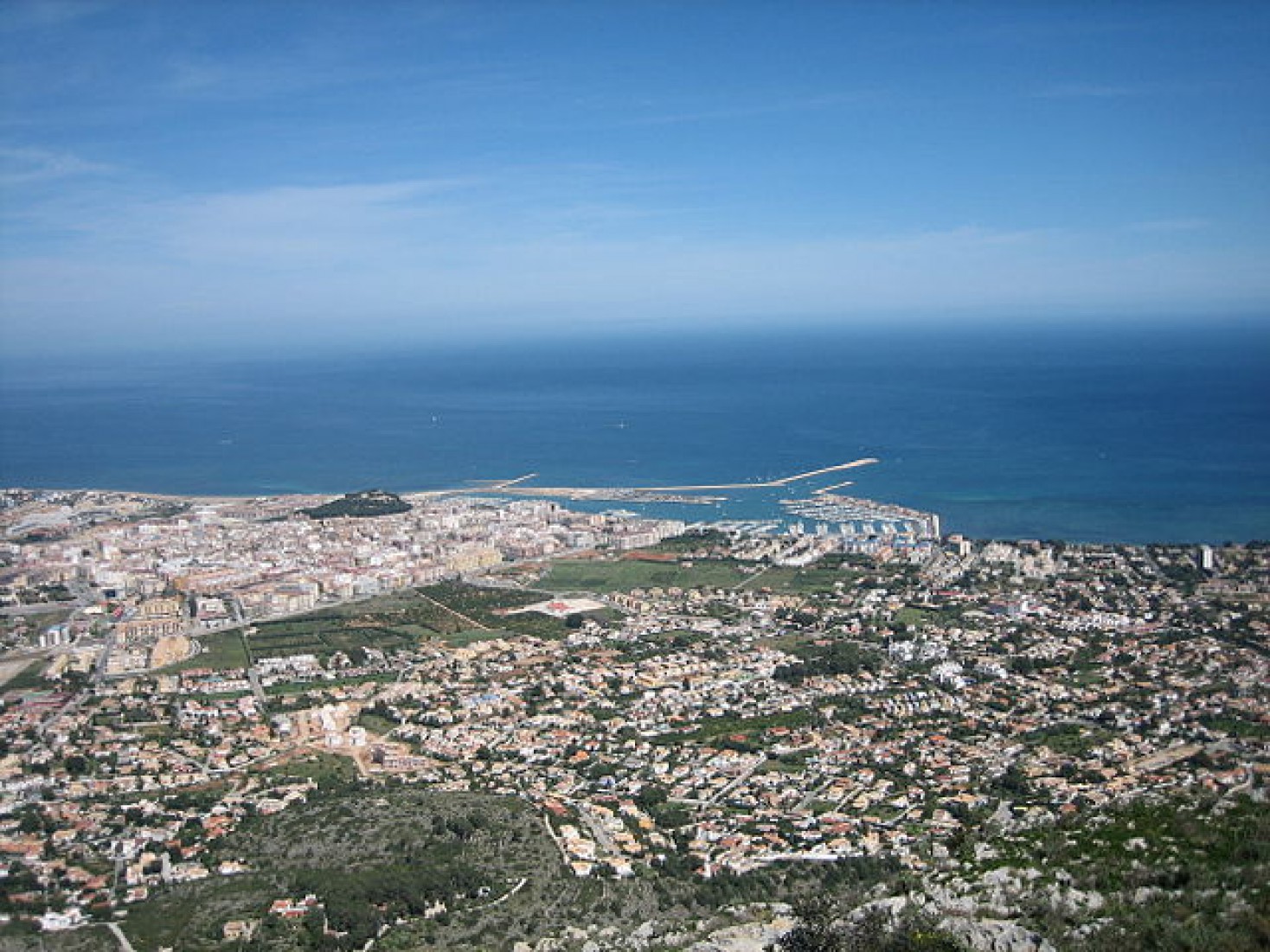
Denia (Dénia in Valencian) is a port town on the Costa Blanca, in the north of the province of Alicante. It lies in the Marina Alta district, between the sea and the Montgó mountain. This post covers the castle and museums, the beaches, the Montgó natural park, local food and fiestas, and how to get there, with the opening hours and prices published by the town’s tourist office in 2026.
A port with a long history
The Romans called the town Dianium and used it as a port for wine, oil and ceramics. It was conquered by the Muslims in 713 and, as Daniya, reached its peak in the 11th and 12th centuries as the capital of an independent taifa kingdom with its own coinage and fleet. King Jaime I took the town in 1244 and it became part of the Kingdom of Valencia; it received the title of city in 1612. Miguel de Cervantes landed here in 1580 after his captivity in Algiers.
In the 19th century Denia grew through the raisin trade, exporting to England, France, Canada and the United States. When raisin production declined at the start of the 20th century, toy making and citrus growing took its place.
The castle and the old town
The Castillo de Dénia stands on a hill in the middle of the town, with views over the town, the sea and the Montgó. Its first structures date from the 11th and 12th centuries, and it was remodelled between the 15th and 17th centuries. Visitors enter through the 12th-century Portal de la Vila and pass the 15th-century Torre del Consell, Renaissance bastions and the remains of the Palacio del Gobernador.
- Opening hours in 2026: daily from 10:00. Closing time changes with the season: 18:00 from November to March, 19:00 in April and May, 20:00 in June and from 16 to 30 September, midnight from 1 July to 15 September, and 18:30 in October. Access closes half an hour before closing time.
- Closed: 25 December, 1 January, 19 March and 1 May.
- Price: €3 for adults, €2 for students and pensioners, €1 for children aged 8 to 16.
- Getting in: the gate is on Carrer Sant Francesc. The shortest way from the centre is the stairway beside the Town Hall in Plaça de la Constitució.
Below the castle lie Les Roques, the old quarter with its medieval layout, and Baix la Mar, the fishermen’s district by the port.
Museums
Denia’s municipal museums are free in 2026 and are closed on the same four days as the castle.
- Museo Arqueológico (Carrer Cavallers 3): Iberian, Roman, Islamic and medieval finds, including a collection of Andalusi bronzes from the 11th and 12th centuries. The old post placed this museum in the castle; it is now in the old town.
- Museo Etnológico (Carrer Cavallers 1): a 19th-century merchant’s house that explains the raisin trade. Open 9:00 to 15:00.
- Museo del Mar (Explanada Cervantes 2): more than 400 pieces on fishing, shipwrecks and seafaring, in the former fish market by the port.
- Museo del Juguete (Carrer Calderón 2): toys made in Denia from 1904 to the 1960s, on the first floor of the old railway station; the ground floor is an art centre with temporary exhibitions.
Beaches and the Montgó
Denia has more than 20 kilometres of coast in two distinct parts. Les Marines, north of the town, has wide sandy beaches. Les Rotes, to the south, starts with a sandy family beach and continues as rocky coves suited to snorkelling, part of it inside a protected marine reserve.
Behind the town rises the Montgó, a mountain 753 metres high that has been a natural park since 1987 and holds more than 650 plant species. Signposted paths range from easy family walks to demanding climbs. The park’s interpretation centre, in the Bosc de Diana estate on Camí de Sant Joan, is open on Mondays, Wednesdays and Fridays from 9:00 to 14:00.
Food and fiestas
UNESCO named Denia a Creative City of Gastronomy in 2015. The best-known local products are the red prawn (gamba roja de Dénia) and arroz a banda, a rice dish that began on the fishing boats.
The main fiestas are the Fallas and the Moors and Christians. The tourist office calendar also lists the Three Kings parade on 5 January, the feast at the hermitage of Santa Paula on 26 January, the Mig Any of the Moors and Christians at the end of February, Carnival before Lent, the bonfires of San Juan from 20 to 24 June and the seafarers’ procession of the Virgen del Carmen on 16 July.
Getting there
- By road: AP-7 motorway, exit 608, then the CV-725. The drive from Valencia takes about an hour and a quarter and from Alicante a little over an hour.
- By tram: line 9 of the Alicante TRAM links Denia with Calp, Altea and Benidorm, where line 1 continues to Alicante. Denia to Benidorm takes 82 minutes, with 17 departures a day.
- From Valencia by train and bus: Cercanías line C-1 to Gandía, then an ALSA bus.
- By bus: ALSA runs services from Valencia and Alicante that take between 1 hour 30 minutes and 2 hours.
- By ferry: Baleària sails to the Balearic Islands all year: about 2 hours 15 minutes to Ibiza by fast ferry and about 2 hours to Formentera.
- By air: the nearest airports are Alicante-Elche (100 km) and Valencia (113 km).
For students
The student price at the castle and the free museums keep costs low. The Denia city page lists schools in the town, and Spanish language courses in Spain shows options elsewhere on the coast, for example in Alicante and Valencia.
More about: Tourism in Spain · All blog posts