How Spaniards Celebrate Christmas in Spain
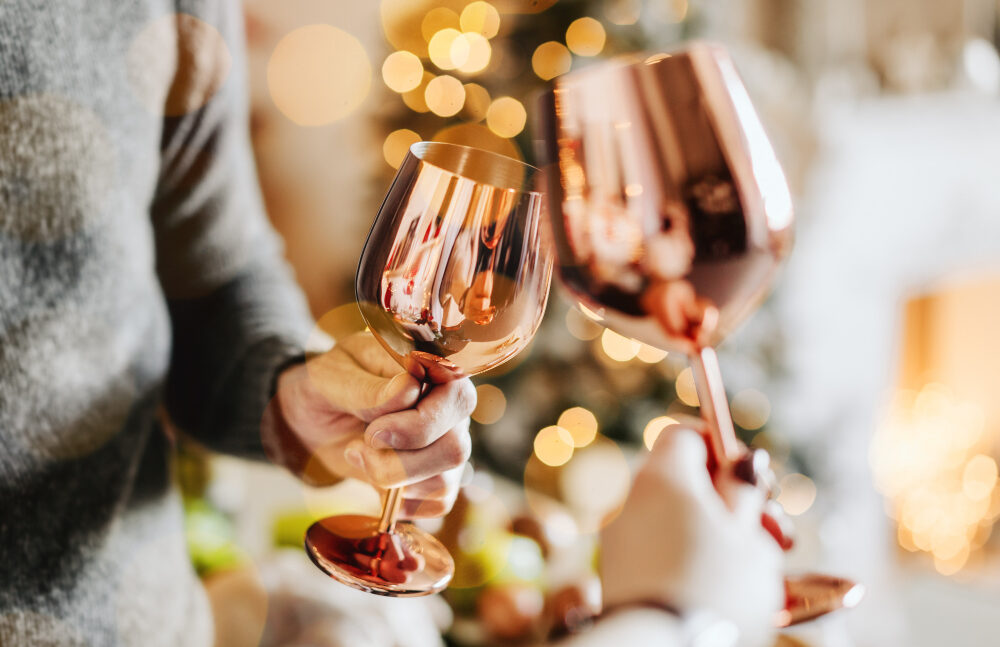
Christmas in Spain is a family celebration that lasts longer than in most countries. According to Spain’s official tourism website, the festivities start with the national lottery draw on 22 December and continue until 6 January, the day of the Three Kings. This post goes through the main dates, the food on the table and what a student or visitor can see in the street during those two weeks.
The calendar: from El Gordo to the Three Kings
Street lights and Christmas markets appear from the end of November. The main dates after that are:
- 22 December: the National Christmas Lottery draw. The first prize is known as “El Gordo”, and children sing out the winning numbers.
- 24 December (Nochebuena, Christmas Eve): the main family dinner of the season.
- 25 December (Christmas Day) and 1 January (New Year’s Day): both are national public holidays under Spanish labour law.
- 31 December (Nochevieja, New Year’s Eve): twelve grapes at midnight.
- 5 January: Three Kings parades in the afternoon and evening.
- 6 January (Epiphany, Día de Reyes): children open their presents.
The lottery draw is held in Madrid, at the Teatro Real opera house, on the morning of 22 December. Pupils of the San Ildefonso school call out the numbers and prizes in song. Madrid’s tourist board says that the public can attend for free: doors open at 8am and seats are given on a first-come, first-served basis.
Christmas Eve and Christmas Day meals
The largest meal is the dinner on 24 December. It usually opens with a tray of shared starters: Iberian ham, cheeses, seafood, preserves and pickles. A first course of stew, soup or broth follows, and it changes with the region: Andalusian stew, Catalan escudella, garlic soup in Castile-La Mancha, cream of almonds in the Balearic Islands or trout soup in Castile and León. The usual main courses are roast meat, especially lamb or suckling pig, and oven-baked fish such as bream or sea bass. Toasts are made with cava, the Spanish sparkling wine.
Restaurants and hotels offer special menus on these days, which is useful for students who stay in Spain over the holidays and do not have a family table to join.
Turrón and other Christmas sweets
The meal ends with a table of sweets. Turrón, an almond nougat, is the best known and comes in soft and hard varieties; chocolate versions are now common too. Next to it come marzipan, polvorones and mantecados (crumbly, powdery biscuits) and glacé fruit. Every region has its own specialities, and bakeries and supermarkets fill with them during the season.
New Year’s Eve: twelve grapes
On 31 December, Spaniards eat 12 grapes as the clock strikes midnight, one for each chime. The custom is meant to bring luck for the coming year. Most people follow the chimes of the Puerta del Sol clock in Madrid on television; thousands go to the square itself, and many other cities gather at a landmark of their own. Those who want to be in Puerta del Sol need to arrive a few hours early.
On the afternoon of the same day, Madrid holds the San Silvestre Vallecana, a 10k race through the city. Places are limited and sell out fast.
Three Kings Day
In Spain the Three Wise Men (los Reyes Magos: Melchior, Caspar and Balthazar) traditionally bring the presents. Children write them a letter saying how they have behaved and what they would like, and post it in special mailboxes in shopping centres or hand it to the royal pages.
On the afternoon of 5 January the Kings arrive in towns and cities across the country in a parade (cabalgata). In Madrid the parade sets off from Plaza de San Juan de la Cruz and goes down Paseo de la Castellana to Plaza de Cibeles. The parade in Alcoy (Alicante) has been held since 1885 and is described by Spain’s tourism website as the oldest in Spain: the Kings enter the town on camels at sundown, and the royal pages climb wooden ladders to deliver presents at balconies and windows.
Children go to bed early and open their presents on the morning of 6 January. The cake of the day is the roscón de Reyes, a ring-shaped cake made with orange blossom water and decorated with candied fruit, plain or filled with cream. A small figure and a broad bean are usually hidden inside. It is eaten on the afternoon of 5 January or on 6 January.
Nativity scenes, markets and lights
Nativity scenes (belenes) are set up in churches and cultural centres and are found in most Spanish homes. They show the birth of Jesus with Mary and Joseph, the shepherds, the angels and the Three Wise Men.
The figures are sold at Christmas markets. The best known is the one in Madrid’s Plaza Mayor, with 104 stalls. In 2026 it runs from late November to 31 December; entry is free and the stalls open from 10am to 9pm from Sunday to Thursday and until 10pm on Fridays, Saturdays and the eve of public holidays. Roasted chestnuts and sweet potatoes are sold at street stalls in most city centres.
Tips for students in Spain at Christmas
- Plan around the two national holidays, 25 December and 1 January, and around the evenings of 24 and 31 December, which most people spend at home with family.
- The winter sales normally begin on 7 January, although some cities such as Madrid start them earlier.
- A Three Kings parade is free to watch and takes place in almost every town, so there is no need to travel to a big city for it.
Students who are choosing where to spend a winter term can compare destinations on the city pages or look through the Spanish language courses in Spain. The post on places to visit in Spain gives ideas for a trip during the break.
More about: Spanish Culture · All blog posts