Spain and the production of Olive Oil
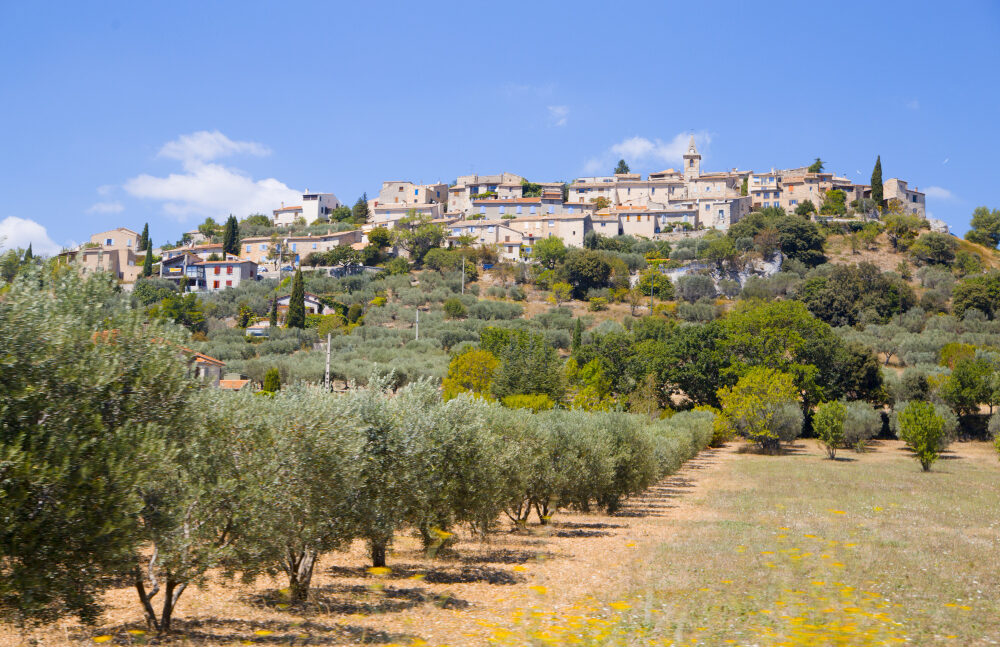
Spain is the world’s largest producer and exporter of olive oil. This post explains where the oil comes from, how it is made, what the categories on a bottle mean and how a student or visitor can see the olive harvest and the mills at first hand. The figures come from the Spanish Ministry of Agriculture, the European Commission and the International Olive Council.
How much olive oil Spain produces
According to the Spanish Ministry of Agriculture, Fisheries and Food, Spanish production accounts for 70% of the olive oil of the European Union and 45% of the world total. The European Union as a whole produces roughly 67% of the world’s olive oil. Harvests vary a great deal from one season to the next, because olive trees tend to alternate a heavy crop with a light one. The marketing year runs from 1 October to 30 September.
The ministry gives these figures for the sector:
- 2.75 million hectares of olive groves, of which 2.55 million hectares grow olives for oil
- Olive growing in 15 of the 17 autonomous communities, mainly in the centre, south and east of the mainland
- More than 350,000 farmers, and about 15,000 jobs in the industry
- Exports of around 65% of the oil sold, to more than 150 countries
Olive oil is the third most exported food product of Spain. The main destinations of olive oil from the European Union are the United States, Brazil and Japan.
Where the olives grow
Andalusia is by far the largest producing region, with 1.67 million hectares and 80% of Spanish production. The province of Jaén alone makes approximately 37% of the national total; its endless rows of trees are known as the “sea of olives”. Castile-La Mancha follows with 8% and Extremadura with 4%. Catalonia, the Region of Valencia and Aragon also produce oil.
More than 200 varieties of olive are grown in Spain, according to the sector’s trade body, Olive Oils from Spain. Each gives a different oil:
- Picual: the most abundant variety, with approximately 900,000 hectares, mainly in Jaén, Córdoba and Granada
- Cornicabra: the second variety by cultivated area, found mainly in Toledo, Ciudad Real and Madrid
- Hojiblanca: grown mainly in Málaga, Córdoba, Granada and Seville, and used both for oil and as a table olive
- Arbequina: characteristic of Catalonia (Tarragona and Lleida) and Alto Aragón; it gives a fluid, sweet oil with little bitterness
How olive oil is made
Virgin olive oil is obtained from the fruit of the olive tree solely by mechanical or other physical means, under conditions that do not alter the oil. The International Olive Council lists the only treatments allowed: washing, decantation, centrifugation and filtration. No solvents are used.
Oil that is not good enough to be eaten as it is (called lampante) is refined. The solid residue left after extraction, the pomace, still contains some oil; olive pomace oil is obtained from it with solvents or other physical treatments. It is a separate category from olive oil.
What the categories on the label mean
European Union rules define eight categories of olive oil and olive-pomace oil, of which only four can be sold to consumers:
- Extra virgin olive oil: the highest quality category. It has no sensory defects, it is fruity, and its acidity must not exceed 0.8%.
- Virgin olive oil: it may have slight sensory defects, and its acidity must not exceed 2%.
- Olive oil composed of refined olive oil and virgin olive oils: a blend, with acidity of up to 1%.
- Olive pomace oil: refined pomace oil blended with virgin olive oils.
Tasting panels approved by the EU countries check the sensory characteristics of virgin oils. Terms such as “first cold pressing” and “cold extraction”, and the harvesting year, are optional label indications regulated by the EU. To keep its quality, olive oil should be stored away from excessive heat, air, humidity and, above all, light.
Olive oil in the Mediterranean diet
Olive oil is the main fat of the Mediterranean diet, which UNESCO inscribed on its Representative List of the Intangible Cultural Heritage of Humanity in 2013.
Oleic acid, a monounsaturated fatty acid, is the main component of olive oil and makes up between 55 and 83% of its fatty acids. According to Olive Oils from Spain, replacing saturated fats in the diet with unsaturated fats such as olive oil helps to improve blood cholesterol levels. Olive oil is still a fat with many calories, and it is one part of a varied diet, not a medicine.
Visiting groves and mills
Olive oil tourism (oleoturismo) has grown in recent years. Many producers open their mills and groves for guided visits and tastings, and in some places visitors can take part in the harvest. Spain’s official tourism website lists options in Andalusia, Castile-La Mancha, Extremadura, Catalonia, the Region of Valencia and Aragon. In the south of Catalonia, the Route of the Thousand-year-old Olive Trees passes the municipality of Ulldecona (Tarragona), where 1,379 ancient trees are documented.
For students in Andalusia, a mill visit is an easy day trip from Jaén, Córdoba or Granada. The post on places to visit in Andalusia has more ideas for the region, and all schools in the country are listed under study in Spain.
Buying olive oil in Spain
Supermarkets in Spain sell the consumer categories side by side, so the first thing to read on a bottle is the category. Extra virgin is the highest of them. Bottles that name a single variety, such as picual or arbequina, make it possible to compare flavours, and the mills that receive visitors usually offer tastings of their own oil.
More about: Spanish Culture · All blog posts