La Isla Blanca, Ibiza, Spain
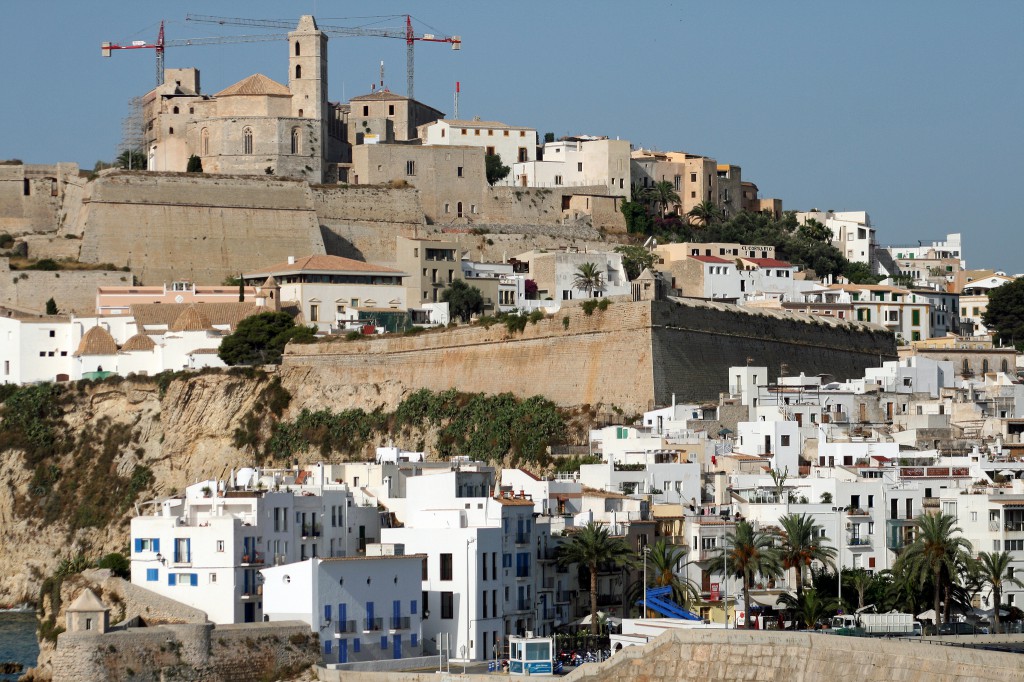
Ibiza is one of the Balearic Islands, in the Mediterranean off the east coast of Spain. It is often called La Isla Blanca, the White Island, and whitewashed houses are a feature of its towns. This post describes the island’s history, its World Heritage old town, the coast and nature, the neighbouring island of Formentera, and how to get there, checked in October 2026.
A short history
The island’s official tourism website traces Ibiza’s history from the first Phoenician settlements through Roman, Islamic and Christian rule. The Phoenician settlement of Sa Caleta, on the south coast, and the necropolis of Puig des Molins in Ibiza town date from the earliest period. In 1235 Catalan troops under Guillem de Montgrí conquered Ibiza and Formentera, which then became part of the Crown of Aragon. Together the two islands are known as the Pitiusas.
Today UNESCO lists Ibiza as a World Heritage Site for both culture and biodiversity. The cultural part covers the walled upper town of Dalt Vila, Sa Caleta and Puig des Molins. The natural part is the meadows of Posidonia oceanica seagrass on the seabed between Ibiza and Formentera.
Ibiza town and Dalt Vila
Ibiza town, also called Eivissa, is the capital of the island. Its historic centre, Dalt Vila, stands on a hill above the port inside a ring of walls, and Spain’s official tourism website describes it as the best preserved coastal fortress in the Mediterranean. The main entrance is the Ses Taules Gateway. From there, gently sloping streets of white houses climb to the cathedral, the Almudaina and the castle at the top, with views over the sea.
- Ibiza Cathedral. Dedicated to Nuestra Señora de las Nieves, it was built in the 14th century in Gothic style on the site of the Yebisah mosque, after the conquest of 1235. It was restored in Baroque style in the 18th century.
- Puig des Molins. The museum next to the necropolis shows objects left by Phoenicians, Punics and Romans. They include decorated ostrich eggs and a bust of the goddess Tanit, which has become a symbol of Ibiza. The address is Vía Romana 31.
- La Marina. The neighbourhood below the walls, by the harbour, has whitewashed streets with shops selling Adlib fashion, the island’s own style of white clothing, and the old market, the Mercat Vell.
During the second week of May a Medieval Fair fills the walled town with craft stalls, music and street theatre.
Coast and nature
According to the Balearic Islands tourism website, Ibiza has more than 18 km of sandy beaches. Some of the best known are:
- Cala d’Hort, opposite the islet and nature reserve of Es Vedrà.
- Cala Benirràs, in the north, known for its Sunday drum gatherings.
- Ses Salines and Platja d’en Bossa, in the south, with beach clubs.
- Talamanca and Ses Figueretes, the town beaches of Eivissa.
The Ses Salines Natural Park covers the salt pans and marshes of the south of Ibiza and the north of Formentera. The north of the island is its greenest, most mountainous and quietest part, with the protected area of Es Amunts and the Can Marçà cave at Port de Sant Miquel. Inland, the almond trees of the Pla de Corona flower in winter.
Nightlife and other things to do
Ibiza is known for its nightclubs. Spain’s official tourism website names Pachá and Ushuaïa among the best known. Club line-ups, opening dates and prices change every year, so check the venue’s own site. Outside the clubs, the island offers sailing trips from the ports of Eivissa, Sant Antoni de Portmany and Santa Eulària des Riu, hippie street markets, hiking and cycling. The quieter months of spring and autumn suit walking and visiting the villages.
Formentera
Formentera is the smallest and southernmost of the Balearic Islands, with an area of 83 km² and about 20 km from end to end. It has no airport. Ferries from the port of Ibiza reach the port of La Savina in about 30 minutes and run all year. The island has three historic villages, Sant Francesc Xavier, Sant Ferran de ses Roques and El Pilar de la Mola, and long beaches such as Ses Illetes and Es Migjorn. The Formentera tourism website recommends the bicycle and the public bus for getting around.
Getting there and around
Ibiza Airport is in the south of the island, 7.5 kilometres from the capital. Bus route 10 connects it with Ibiza bus station, close to the old town and the Formentera ferry terminal. Regular ferries link the ports of Ibiza and Sant Antoni with Barcelona, Valencia and Dénia on the mainland, and with Mallorca and Formentera. Ibiza town is easy to walk around. Intercity buses run to Sant Antoni de Portmany, 18 km away, and Santa Eulària des Riu, 15 km away. More travel details are on Spain’s official tourism website and on the island’s own site, ibiza.travel.
For students
Ibiza is a holiday destination rather than a study city. Students in mainland Spain usually visit by ferry or a short flight from Barcelona or Valencia, and May, June and September are less crowded than high summer. For places to study, see the cities in Spain or all schools in Spain.
More about: Tourism in Spain · All blog posts