La Zarzuela
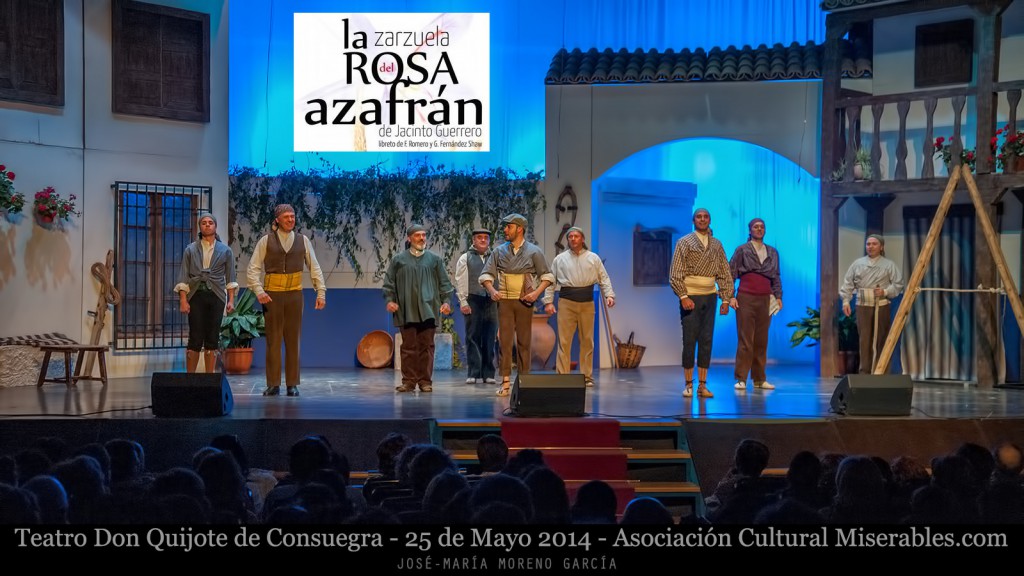
Zarzuela is Spain’s own form of musical theatre: a stage work in which spoken scenes alternate with sung ones. It grew up in Madrid, and Madrid still has a public theatre devoted to it, the Teatro de la Zarzuela. This post explains where the genre comes from, its main styles and composers, and how to see a performance in the 2026-27 season.
Where the name comes from
The Teatro de la Zarzuela’s own account of the genre places its distant origins in the sung works of Pedro Calderón de la Barca, with music by Juan de Hidalgo, performed in the 17th century at the Palacio de la Zarzuela outside Madrid. The palace took its name from the brambles (zarzas) around it, and the entertainments took their name from the palace. The building is described in the post on the Palacio de la Zarzuela.
A second stage came at the end of the 18th century, when Ramón de la Cruz adapted Italian comic operas into Spanish for the Madrid theatres. The first modern zarzuelas, with original texts and scores full of Spanish local colour, were written in the first half of the 19th century. The genre had its best years in the 19th century, alongside opera and spoken theatre, and later shared the public with cinema in the 20th.
Género chico and género grande
The theatre distinguishes two main forms:
- Género chico (the short genre): one-act works with popular Madrid characters, typical of the “teatro por horas”, in which theatres sold tickets for one short piece at a time.
- Género grande or gran zarzuela: works in several acts, close to grand opera.
Zarzuelas are also grouped by subject. The Madrid ones, written in the city’s own slang, are the most typical: La verbena de la Paloma, Agua, azucarillos y aguardiente and La Revoltosa, and longer works such as Doña Francisquita. Regional zarzuelas draw on local customs and folk music, for example La del Soto del Parral and La rosa del azafrán. A third group is closer to European operetta, such as La canción del olvido and Bohemios.
Composers and spread
The composers the theatre names as the masters of the genre include Francisco Asenjo Barbieri (1823-1893), Emilio Arrieta (1823-1894), Federico Chueca (1846-1908), Tomás Bretón (1850-1923), Amadeo Vives (1871-1932), Federico Moreno Torroba (1891-1982) and Pablo Sorozábal (1897-1988). They came from all over Spain, but the genre developed for more than a century mainly in Madrid, around two venues: the Teatro de la Zarzuela, opened in 1856, and the Teatro Apolo (1873-1929).
Touring companies took zarzuela across Spain and to the Americas, and it spread through the Spanish-speaking countries. Later it reached audiences through radio, film and records, with singers such as Miguel Fleta, Alfredo Kraus, Teresa Berganza, Montserrat Caballé and Plácido Domingo.
The Teatro de la Zarzuela
The theatre was built by a group of composers and writers, among them Barbieri and Joaquín Gaztambide, who had formed the Sociedad Artístico Musical and wanted a modern house for the new genre. The first stone was laid on 6 March 1856 and the theatre opened on 10 October of the same year, the birthday of Queen Isabel II. A fire in 1909 destroyed almost all of it except the façade and main structure; it reopened in 1913.
The Ministry of Culture bought the building in 1984, and it is run by the Instituto Nacional de las Artes Escénicas y de la Música (INAEM). For years it also hosted opera, dance and flamenco. It was declared a monument in 1994 and, after renovation, returned to its original purpose of Spanish lyric theatre, reopening in January 1998. Opera in Madrid now has its own house, covered in the post on the Teatro Real.
Seeing a zarzuela in 2026-27
The 2026-27 lyric season opened with La verbena de la Paloma (23 September to 4 October 2026). It continues with Las trece rosas rojas (25 November to 2 December 2026), Los gavilanes (28 January to 13 February 2027), La bruja (11 to 28 March 2027), El dúo de «La africana» (10 to 17 April 2027), Venus y Adonis (5 to 9 May 2027) and El barberillo de Lavapiés (9 to 25 June 2027).
- Prices: on the theatre’s price list for the season, the most expensive zarzuela seats cost €50. Seats in the higher zones and seats with reduced visibility cost less.
- Under 30: with the theatre’s Tarjeta Joven, people under 30 get a 50% discount on tickets. Proof of age is requested at the door.
- Box office: in the theatre lobby, open Monday to Friday 11:00 to 19:30, Saturdays 14:30 to 19:30 and Sundays 14:30 to 18:00. It is closed on public holidays without a performance and throughout August.
- Getting there: the address is Plazuela de Teresa Berganza (Jovellanos, 4), 28014 Madrid. The nearest metro stations are Banco de España and Sevilla.
For students
Zarzuela is a practical way into Spanish for learners at an intermediate level: the spoken scenes are everyday dialogue, the Madrid pieces are full of local expressions, and the plots are short and comic. The half-price tickets for under-30s make it one of the cheaper evenings out for students in Madrid. Reading a summary of the plot beforehand helps, since the theatre performs in Spanish. Those who want to prepare with a course can compare Spanish language courses in Spain.
More about: Tourism in Spain · All blog posts