Palacio de la Zarzuela, Madrid, Spain
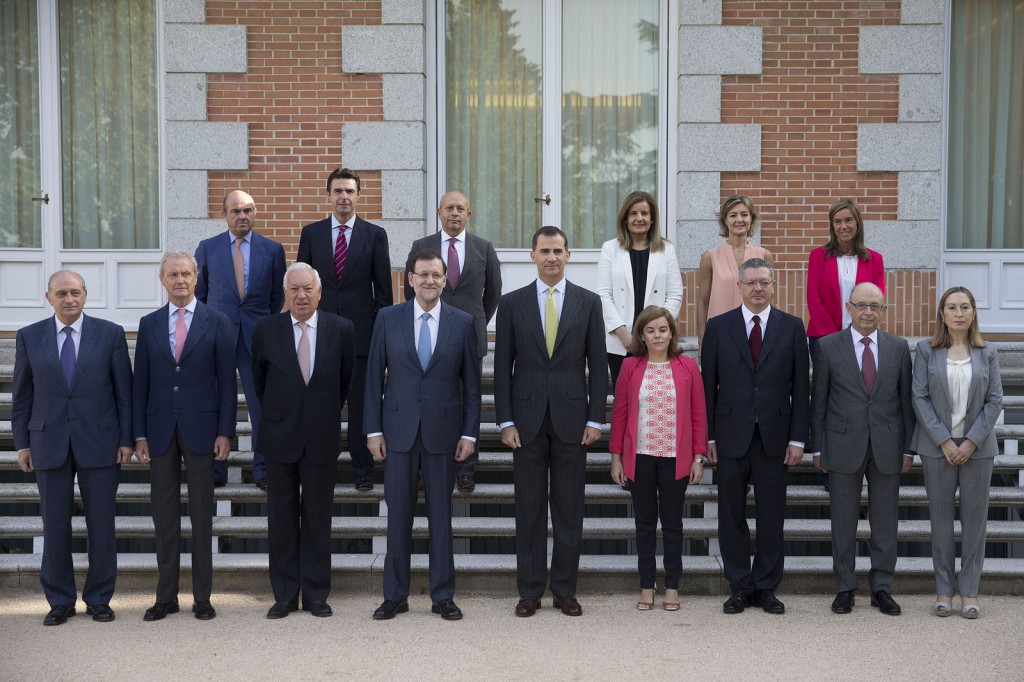
The Palacio de la Zarzuela is the residence of the King of Spain and the seat of the Royal Household. It stands in the Monte de El Pardo, the large forest on the northern edge of Madrid, and began as a 17th-century hunting lodge. This post explains its history, its role today and its legal status. Because the palace is a working residence and not a visitor site, it also points to the nearby royal palace that can be visited.
What the palace is today
The Royal Household of His Majesty the King gives the Palacio de La Zarzuela, on the Carretera de El Pardo, as its official address. King Felipe VI, proclaimed before the Spanish parliament on 19 June 2014, lives and works there. Spain’s official tourism website describes the palace as the official residence of the Spanish monarchs since 1975.
The Palacio Real in the centre of Madrid has a different function. The Royal Household describes it as the most representative building of the Crown, where the Crown symbolically resides and where solemn acts of state are held, and states that it currently has no residential use.
History
In 1627 King Philip IV commissioned a country palace or hunting lodge at La Zarzuela. The architect Juan Gómez de Mora designed a sober rectangular building in the Baroque style typical of Madrid, inspired by the villas of Andrea Palladio. Alonso Carbonell finished it with a slate roof, arched galleries and an Italian garden with stepped fountains on three terraces, a vegetable garden and a tree nursery. The sculptures were by Bartolomé Zumbido and the paintings by Simón López.
At the end of the 18th century Charles IV redecorated the palace with tapestries, porcelain, lamps, furniture and clocks of the period. After the Spanish Civil War the architect Diego Méndez rebuilt it in 1958. He kept the old structure and the porticoed walls and recreated the 17th-century gardens designed by Gaspar Bandal.
The name and the musical genre
“Zarzuela” comes from zarza, the Spanish word for bramble; Madrid’s Teatro de la Zarzuela glosses the palace’s name as “little bramble”. The same word names Spain’s own form of musical theatre, which mixes sung and spoken scenes. The theatre traces the distant origins of the genre to the sung works of Pedro Calderón de la Barca, with music by Juan de Hidalgo, performed at the Palacio de la Zarzuela in the 17th century.
Ownership and status
The palace does not belong to the king personally. Law 23/1982 on the Patrimonio Nacional lists the “Palacio Real de la Zarzuela” among the state-owned properties that make up the Patrimonio Nacional, together with the Monte de El Pardo and the Palacio de El Pardo. The law defines these as state property assigned to the use and service of the King and the members of the Royal Family for the representative functions that the Constitution gives them. They are managed by the public body of the same name.
Can it be visited?
The old version of this post said the palace could be toured. That could not be confirmed. Patrimonio Nacional’s list of places to visit in the Royal Site of El Pardo names the Royal Palace of El Pardo and the El Pardo woodlands, and La Zarzuela is not among them. Spain’s tourism website gives only the address, Camino del Palacio de la Zarzuela, km 12, with no opening hours or tickets.
Visitors interested in the royal residences of this area can go to the Palacio Real de El Pardo instead. It stands in the same forest, which covers nearly 16,000 hectares, and since 1983 it has been the residence of foreign heads of state on official visits. Details published by Madrid’s tourism website, last updated in February 2026:
- Price: general €9, reduced €4. The Casa del Príncipe Don Carlos next to it costs €5.
- Hours: Tuesday to Sunday from 10 am, closing at 6 pm in winter and 7 pm in summer. Last entry is one hour before closing. Closed on Mondays.
- Free entry: for citizens and residents of the European Union and Ibero-American citizens on Wednesday and Sunday afternoons from 3 pm.
- Closures: the palace closes to the public when a foreign head of state is staying, so the dates should be checked before going.
The interior is known for tapestries woven from designs by Goya and Bayeu and for its 18th- and 19th-century furniture. The forest itself is described in the post on the Monte de El Pardo.
For students
La Zarzuela is useful background for anyone studying Spanish history, politics or law: it shows how the monarchy’s residence, its ceremonial palace and the state’s ownership of both are kept separate. Students of music or theatre will meet the name again in the zarzuela repertoire. Those planning a stay in the capital can read about Madrid as a study city and browse universities in Spain.
More about: Madrid · All blog posts