Reasons to study in Spain
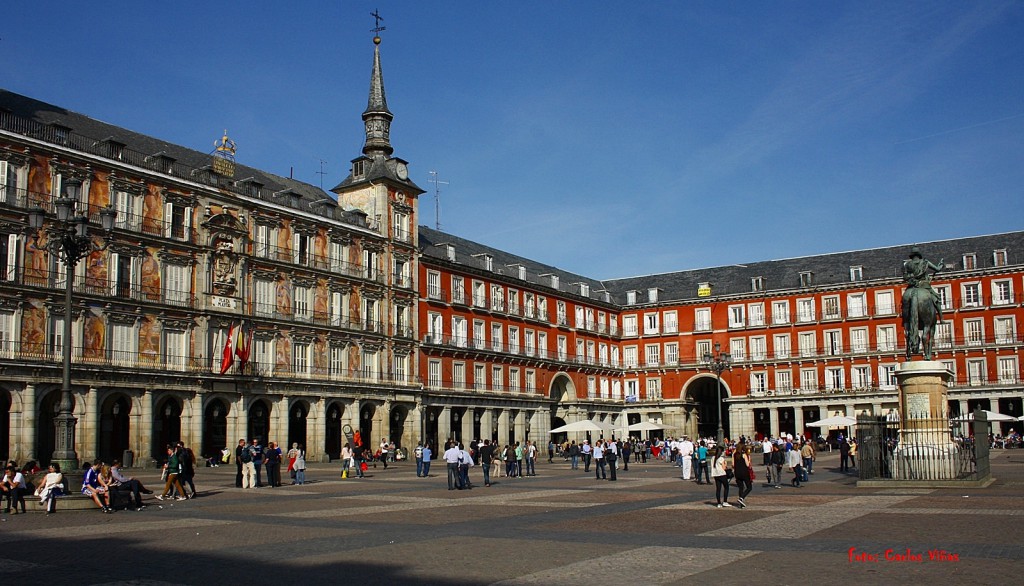
Students choose Spain for different reasons: the language, degrees that fit the European system, the climate, the food and the daily life of its cities. This post goes through the main ones with current, sourced facts, and points out where expectations and reality differ.
The Spanish language
Spanish is the strongest practical reason. According to the Instituto Cervantes yearbook for 2025, the community of native Spanish speakers passed 500 million for the first time in 2025 and reached 520 million, the third largest in the world after Mandarin Chinese and Hindi. Counting people with limited competence and learners, potential speakers exceed 630 million.
Living in the country gives daily practice that a course at home cannot. Progress can be certified with the DELE diplomas, which the Instituto Cervantes awards on behalf of the Spanish Ministry of Education and which cover every level of the Common European Framework of Reference, from A1 to C2. Schools are listed under Spanish language courses in Spain.
Degrees that fit the European system
Spanish universities follow the three-stage structure of bachelor’s degree (grado), master’s degree and doctorate. Royal Decree 822/2021 sets bachelor’s degrees at 240 ECTS credits, with exceptions of 300 or 360 credits where European rules require them, and master’s degrees at 60, 90 or 120 credits. Each academic year is 60 ECTS credits. Because the credits are ECTS, a semester or a year in Spain can be counted towards a degree at another European university.
- Exchange students: with Erasmus+, a study period lasts from 2 to 12 months, and students are exempt from fees for tuition, registration and examinations at the receiving institution.
- Full-degree students: those with school qualifications from another country apply through UNEDasiss, the service that assesses the academic records of international students and runs the tests needed for access to bachelor’s degrees at Spanish universities. Admission itself is requested at each university.
The list of universities in Spain shows what each one teaches, and the post on the Spanish education system explains the stages in more detail.
The climate
Spain’s official tourism website describes a sunny country with around 3,000 hours of sunshine every year. The climate is not the same everywhere, and it is not warm all year. The seasonal averages it publishes show the differences:
- Madrid: a maximum of 12 ºC and a minimum of 4 ºC from January to March; 30 ºC and 18 ºC from July to September
- Malaga: 18 ºC and 8 ºC from January to March
- Bilbao: 15 ºC and 6 ºC from January to March, with far fewer hours of sunshine than the south
July and August are hot and dry throughout the country, with daytime temperatures usually over 30 ºC, while the north has a milder climate and some rainfall. December, January and February are the coldest months. A student who spends a winter in an inland city needs a proper coat, and student flats are not always well heated.
Food and the daily timetable
The Mediterranean diet is on UNESCO’s Representative List of the Intangible Cultural Heritage of Humanity, with Spain among the countries that share it. UNESCO describes it as a set of skills, knowledge and traditions that runs from crops and fishing to cooking, and particularly the sharing and consumption of food: eating together is the foundation of the cultural identity of communities throughout the Mediterranean basin.
For a student this means that meals are social and later than in most countries. Restaurants tend to serve lunch between 13:00 and 16:00 and dinner between 20:00 and 23:30. Tapas, small portions of food served with drinks, are a custom all over the country, and cities such as Granada, Salamanca, Valladolid, Logroño, Zaragoza, León and Alcalá de Henares have a particular reputation for them.
Culture, heritage and evenings out
Many university cities are themselves historic sites. The Ministry of Culture’s list of World Heritage properties in Spain includes the old city of Salamanca, the historic city of Toledo, the University and Historic Precinct of Alcalá de Henares and the old town of Santiago de Compostela, all places where students live and study.
Evenings start late. Theatre productions, concerts and shows tend to start between 20:00 and 21:00, and in summer as late as 22:00 or 23:00. Public buses in big cities tend to run between 06:00 and 23:00, and a night service usually runs between 23:30 and 06:00, which matters for getting home. The post on nightlife in Spain covers going out.
What to check before deciding
The reasons above do not replace the practical questions: the language of teaching of the chosen programme, the tuition fees of the university, the cost of housing in the city and, for students from outside the European Union, the study visa. These are covered in Everything You Need to Know Before Studying in Spain. Schools of every type are listed under schools in Spain.
More about: Studying in Spain · All blog posts