Dentistry Schools and Programs in The United States
30 schools in The United States teach Dentistry.
Bismarck State College
University Bismarck, The United States In an official register
Bismarck State College is a community college in Bismarck, the capital city of North Dakota, USA. The school was founded in 1939 and offers two-year and four-year degree options. The types of educational offers include the following: transfer - first and second year of…
Clark College
University Vancouver, The United States In an official register
Clark College came into existence in 1933 by a group of visionary educators, who had a dream to provide higher education opportunities for South West Washington during the great depression. Clark College promotes highest standards of education and was granted initial…

College of Southern Idaho
Vocational school Twin Falls, The United States In an official register
The College of Southern Idaho (CSI) is a college in Twin Falls, Idaho, that serves the Magic Valley region. It has followed an open-door philosophy since its founding about 60 years ago, welcoming students at any stage of life. CSI offers programmes in many areas, from…

Creighton University
University Omaha, The United States In an official register
Creighton University is a private Jesuit, Catholic university in Omaha, Nebraska, United States, founded in 1878. It also has a health professions campus in Phoenix and regional programmes in Anchorage and Denver. Creighton is accredited by the Higher Learning Commission…
East Carolina University
University Greenville, NC, The United States In an official register
East Carolina University came into existence in 1907 as a public research university at Greenville, North Carolina, United States. ECU offers more than 200 programs, catering bachelor’s, master’s, doctoral and certificate students. ECU comprises of 9 undergraduate academic…
Ellsworth Community College
Vocational school Iowa Falls, The United States In an official register
Ellsworth Community College (ECC) is a community college at 1100 College Avenue in Iowa Falls, Iowa, in the United States. It belongs to the Iowa Valley Community College District, together with Marshalltown Community College, and both colleges share the same tuition and…
Greenville Technical College
Vocational school Greenville, The United States In an official register
Greenville Technical College (GTC) is a technical college in Greenville, South Carolina, that has served the Upstate region since 1962. Its main campus, the Barton Campus, is at 506 S. Pleasantburg Drive, and the college has 8 locations across Greenville County. GTC offers…
Harvard University
University Cambridge, The United States In an official register
Harvard University in Cambridge, Massachusetts, was founded on 28 October 1636 by a vote of the Great and General Court of the Massachusetts Bay Colony, as the first college in the American colonies. Its endowment began with John Harvard's donation of 400 books and half his…
Kirkwood Community College
Vocational school Cedar Rapids, The United States In an official register
Kirkwood Community College is a community college based in Cedar Rapids, eastern Iowa, with its main campus at 6301 Kirkwood Boulevard SW and further regional and county centres across the region. It has served students in eastern Iowa for more than half a century. Two-year…

Linn-Benton Community College
Vocational school Albany, OR, The United States In an official register
Linn-Benton Community College (LBCC) is a community college in Oregon, United States, with its main campus in Albany and further campuses in Corvallis and Lebanon. The college states that more than 13,000 students take at least one class there each year, about 5,500 of them…
Old Dominion University
University Norfolk, The United States In an official register
Old Dominion University was established in 1930 as the Norfolk Division of The College of William and Mary, and became independent in 1962. It is a public research university, located in Norfolk, Virginia, USA. The institution is known to be one of the largest US providers of…
Piedmont Technical College
Vocational school Greenwood, The United States In an official register
Piedmont Technical College (PTC) is a comprehensive two-year college in South Carolina, United States, founded in 1966 and accredited by the Southern Association of Colleges and Schools Commission on Colleges. It has locations in each of the seven counties it serves…

Richard Bland College
Higher education centre South Prince George, The United States In an official register
Richard Bland College (RBC) is a two-year college in Virginia, in the United States, with its campus at 11301 Johnson Road, South Prince George. It offers a liberal arts education in the tradition of William & Mary and awards associate degrees that cover the first two years…
Susquehanna University
University Selinsgrove, The United States In an official register
Susquehanna University is a liberal arts college in the small town of Selinsgrove, Pennsylvania, in the United States, near the Susquehanna River and about one hour from Harrisburg and three hours from New York City, Philadelphia, Baltimore and Washington, D.C. It has about…
Temple University
University Philadelphia, The United States In an official register
Temple University is a public research university in Philadelphia, Pennsylvania, in the United States. It was founded as a night school by Russell Conwell in 1884 and today has more than 33,000 undergraduate, graduate and professional students. Temple is classified as an R1…
The University of California Los Angeles
University Los Angeles, The United States In an official register
The University of California, Los Angeles (UCLA) is a campus of the University of California (UC) system in Los Angeles. Its undergraduate admission office accepts applications from first-year students, transfer students and international students, all through the common UC…

The University of North Carolina at Chapel Hill
University Chapel Hill, The United States In an official register
North Carolina’s vibrant people and programs attest to the University of North Carolina at Chapel Hill’s long-standing place among leaders in higher education since it was chartered in 1789 and opened its doors for students in 1795 as the nation’s first public university…
University of Alabama - Birmingham
University Birmingham, The United States In an official register
The University of Alabama at Birmingham (UAB) is a public university and academic medical center in downtown Birmingham, Alabama. Its roots go back to the founding of the Medical College of Alabama in 1859 and the opening of the University of Alabama's Birmingham Extension…
University of California, San Francisco (UCSF)
University San Francisco, The United States In an official register
UC San Francisco is a prestigious University, founded in 1864, which is entirely devoted to the health areas.
University of Kentucky
University Lexington, KY, The United States In an official register
The University of Kentucky (UK) is a university in Lexington, Kentucky. According to the university, it is one of only eight institutions in the United States with liberal arts, engineering, professional, agricultural and medical colleges all on one contiguous campus. It is…
University of Michigan
University Ann Arbor, The United States In an official register
The University of Michigan at Ann Arbor is considered one of the most prestigious in the world. Programs of study are over a hundred degrees and around 27 postgraduates. The number of students are some 8,600 and 381 teachers. The university was established in 1817, which was…

University of Minnesota
University Minneapolis, The United States In an official register
The University of Minnesota is a prestigious institution, founded in 1851, and considered among the best in the world.

University of North Texas
University Denton, The United States In an official register
The University of North Texas (UNT) is a public research university in Denton, Texas, a town of about 150,000 people 36 miles north of Dallas-Fort Worth. Founded in 1890, it is classified as an R1 research university by the Carnegie Classification and, with nearly 44,000…

University of Pennsylvania
University Philadelphia, The United States In an official register
The University of Pennsylvania was founded in 1750. It welcomes about 10,000 students, who come from USA and other countries of the world. It has a great reputation and is considered one of the best in the world.
University of Washington
University Seattle, The United States In an official register
The University of Washington (UW) is a public research university founded in 1861, with three campuses in Seattle, Bothell and Tacoma, Washington. The main Seattle campus is at 1410 NE Campus Parkway. Its colleges and schools include the College of Arts and Sciences, with 38…
Virginia Western Community College
Vocational school Roanoke, The United States In an official register
Virginia Western Community College is a public institution, which services the area of Roanoke, Salem, Roanoke County, Craig County, southern Botetourt County, and northern Franklin County. It is a two-year college, offering day, evening, and weekend classes on its main…

West Virginia University
University Morgantown, The United States In an official register
This is a public learning institution located in Morgantown city along the Monongahela River and it was established in 1867. West Virginia University offers over 200 undergraduate, graduate, doctorate and professional programs across its 15 colleges. Some of the graduate…

Chemeketa Community College
University Salem, The United States In an official register
Chemeketa Community College is a 2 year public school in the West Coast of the United States. We offer Intensive English studies and over 120 majors. We serve over 175 International Students coming from over 43 different countries around the world. Chemeketa's education is…
Boston University Summer Term
University Boston, The United States
Boston University Summer Term is the summer programme of Boston University, a private university founded in 1839 and accredited by the New England Commission of Higher Education. The campus lies in Boston's Back Bay neighbourhood along Commonwealth Avenue, and the university…
SUNY, The State University of New York
University Albany, The United States
SUNY is a system of public universities in New York, USA. It was established in 1948, and represents the largest system of universities, colleges, and community colleges in the world. Overall, it has 64 campuses around the state, including four University Centers…
Dentistry Studies in The United States
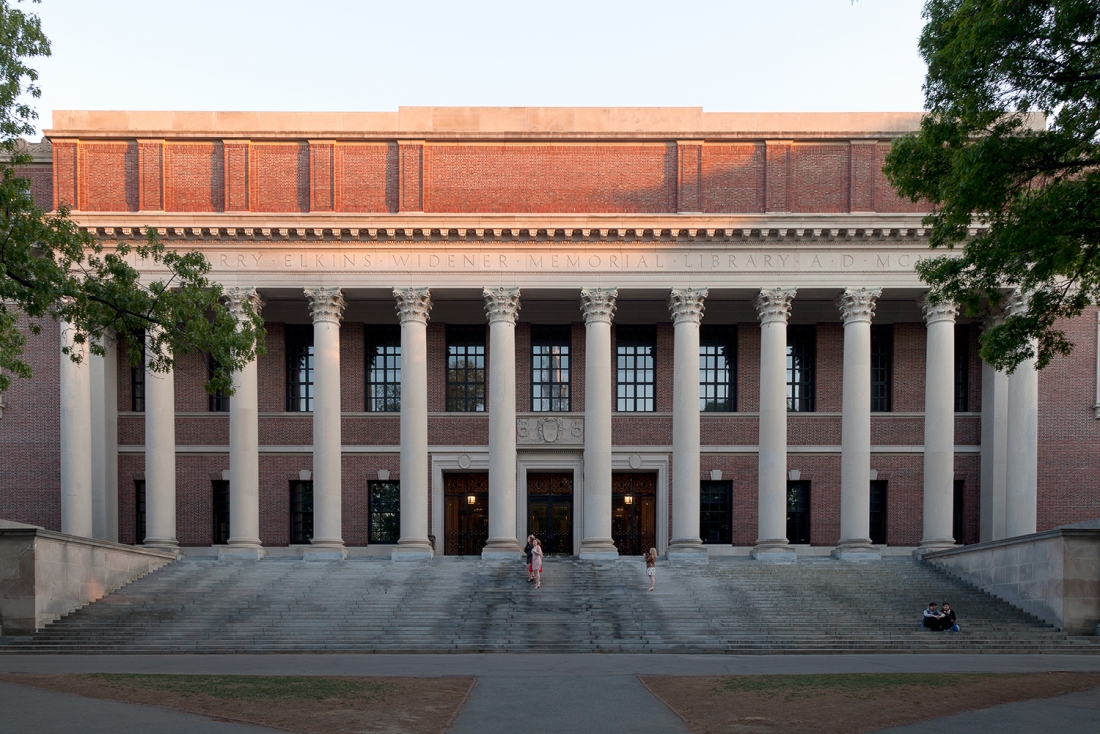 You can study dentistry in the US at the prestigious Harvard University
Dentistry in the United States is a graduate-entry profession. According to the U.S. Bureau of Labor Statistics (BLS), dentists diagnose and treat problems with patients' teeth, gums and related parts of the mouth, and they typically need a Doctor of Dental Surgery (DDS) or Doctor of Dental Medicine (DMD) degree from an accredited dental programme. The two titles lead to the same licence. SpainExchange lists 30 schools in the United States for dentistry, from university dental schools to community colleges that train dental hygienists and dental assistants.
How the degree is organised
There is no undergraduate dentistry degree. Students first complete a bachelor's degree, which usually takes four years; BLS notes that most dental programmes require at least a bachelor's degree and certain science courses, such as biology or chemistry, and that no specific undergraduate major is required. Dental school itself is described by the American Dental Association (ADA) as a traditional four-year DDS or DMD programme. Coursework covers subjects such as local anaesthesia, anatomy, periodontics and radiology, and every programme includes clinical experience in which students treat patients under the supervision of a licensed dentist.
General dentists need no further training after dental school. Dentists who want to practise a specialty, such as orthodontics, periodontics or paediatric dentistry, complete a residency that usually lasts two to four years and often ends in a postdoctoral certificate or a master's degree.
Two shorter routes lead to other jobs in the dental team. Dental hygienists typically need an associate degree in dental hygiene; BLS states that these programmes typically take three years and are often found in community colleges, technical schools and universities. Dental assisting programmes are mostly offered by community colleges, take about one year and lead to a certificate or diploma.
Accreditation and the licence
The Commission on Dental Accreditation (CODA) is the national programmatic accrediting agency for dental and dental-related education. It reviews more than 1,400 programmes: predoctoral (DDS/DMD), advanced and allied dental programmes.
Dentists must be licensed in the state where they work, and each state board of dentistry sets its own requirements. The ADA lists three requirements that apply everywhere: graduation from a CODA-accredited dental programme, the written Integrated National Board Dental Examination (INBDE), which all US licensing jurisdictions require, and, in most jurisdictions, a clinical assessment. All states also license dental hygienists.
Dentists trained outside the United States
A foreign dental degree does not give direct access to a US licence. According to the ADA, holders of a dental degree from an institution not accredited by CODA may apply to advanced standing programmes, which admit internationally trained dentists into a DDS or DMD programme at a later stage and are typically shorter than the four-year programme. The American Dental Education Association (ADEA) runs a centralised application for these programmes, called CAAPID, and most dental schools ask international dentists for the TOEFL. Temple University and the University of Alabama - Birmingham are among the schools on the list that mention a programme for international dentists or advanced standing students.
Admission and language
ADEA counts 12,491 dental school applicants in 2024 and 6,719 first-time, first-year students enrolled in DMD and DDS programmes in the United States. All US dental schools require the Dental Admission Test (DAT), a multiple-choice test in English that takes five hours and 15 minutes and has four parts: natural sciences, perceptual ability, reading comprehension and quantitative reasoning. Schools also weigh grade point average, interviews and recommendations. Each dental school has its own admission process and criteria.
Teaching is in English, and universities require an English proficiency test. International students need a student visa: once accepted by a school certified by the Student and Exchange Visitor Program (SEVP), the international student office issues the Form I-20 used in the visa application. For fees, the reference is each dental school's own cost of attendance page.
Where to study dentistry
Philadelphia has two universities on the list, Temple University, whose Kornberg School of Dentistry offers the DMD, and the University of Pennsylvania. The University of Alabama - Birmingham has a School of Dentistry that dates from 1948 and awards the DMD. West Virginia University in Morgantown offers the DDS and a Bachelor of Science in Dental Hygiene, and Creighton University in Omaha has a School of Dentistry with its own dental clinic. The list also includes the University of Michigan, Harvard University, the University of California, San Francisco (UCSF), the University of Kentucky, the University of Minnesota, the University of Washington and The University of North Carolina at Chapel Hill, as well as community and technical colleges such as Greenville Technical College, Clark College and Kirkwood Community College.
Careers
BLS counts about 161,400 dentist jobs in 2025, of which 141,900 are general dentists, and projects employment to grow 6% from 2025 to 2035, with about 4,800 openings a year. Offices of dentists employ 78% of dentists and 12% are self-employed.
Frequently asked questions
How long does it take to become a dentist in the United States?
Usually eight years after secondary school: a four-year bachelor's degree followed by a four-year DDS or DMD programme. A specialty adds a residency of two to four years or more.
What is the difference between a DDS and a DMD?
They are two names for the same qualification. State licensing rules treat a DDS and a DMD from an accredited dental programme in the same way.
Can a dentist with a foreign degree practise in the United States?
Not directly. According to the ADA, graduates of programmes not accredited by CODA usually need to complete an advanced standing programme and obtain a DDS or DMD, pass the INBDE and meet the state's clinical assessment rules.
Is the DAT required?
Yes. The ADA states that all US dental schools require applicants to take the Dental Admission Test as part of the admission process.